Chapter 26 Lecture Outline See PowerPoint Image Slides PowerPoint Biology Diagrams
Chapter 26 Lecture Outline See PowerPoint Image Slides PowerPoint Biology Diagrams This page titled 7: Hearing and Balance is shared under a CC BY 4.0 license and was authored, remixed, and/or curated by OpenStax via source content that was edited to the style and standards of the LibreTexts platform.
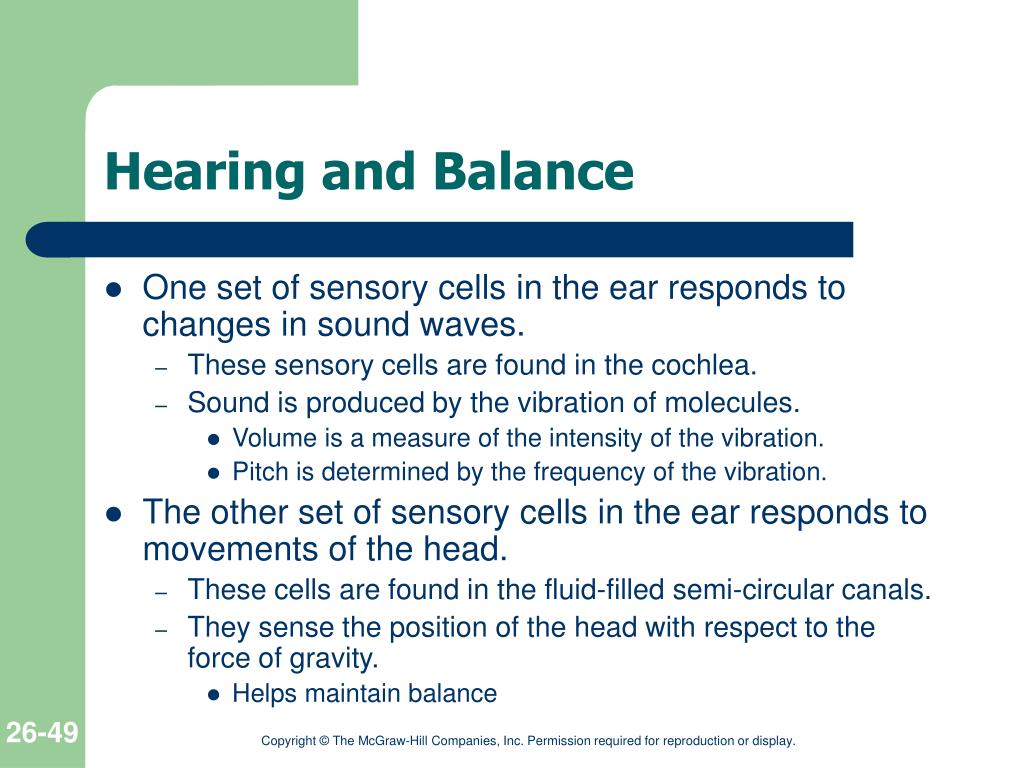
Your ears are essential for hearing and balance — and proper care ensures that your ears work as well as possible. If you start to develop symptoms like ear pain, tinnitus or muffled hearing, schedule an appointment with your healthcare provider right away. They can help you find the cause of your problem and recommend appropriate treatment.

Ear anatomy: Parts and functions Biology Diagrams
Audition (Hearing) Hearing, or audition, is the transduction of sound waves into a neural signal that is made possible by the structures of the ear (Figure 1).The large, fleshy structure on the lateral aspect of the head is known as the auricle.Some sources will also refer to this structure as the pinna, though that term is more appropriate for a structure that can be moved, such as the Audition (Hearing) Hearing, or audition, is the transduction of sound waves into a neural signal that is made possible by the structures of the ear (Figure 15.3.1).The large, fleshy structure on the lateral aspect of the head is known as the auricle.Some sources will also refer to this structure as the pinna, though that term is more appropriate for a structure that can be moved, such as the Fluid movement is the stimulus for both hearing and balance. (Image Credit: "Inner Ear Anatomy - Cochlea and Vestibular Apparatus" by Jennifer Lange is licensed under CC BY-NC-SA 4.0, modification of original by Blausen.com staff (2014), "Medical gallery of Blausen Medical", WikiJournal of Medicine.)
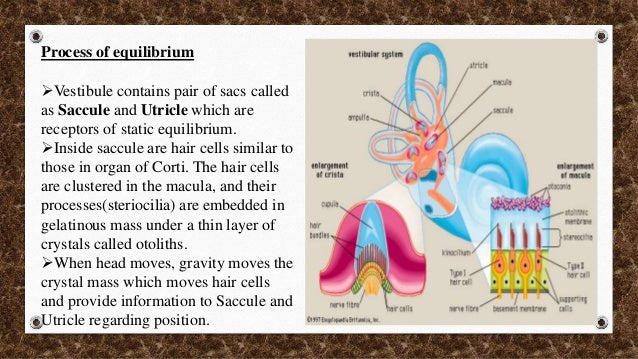
Hearing (audition) is the ability to sense sound waves, and the ear is the organ that senses sound. The large, fleshy structure on the lateral aspect of the head is known as the auricle . Some sources will also refer to this structure as the pinna, though that term is more appropriate for a structure that can be moved, such as the external ear The anatomy of the ear can be a little confusing, especially since the ear is responsible not only for hearing, but also for balance.. There are three components to the ear: the outer ear, the middle ear and the inner ear.All three are involved in hearing but only the inner ear is responsible for balance.
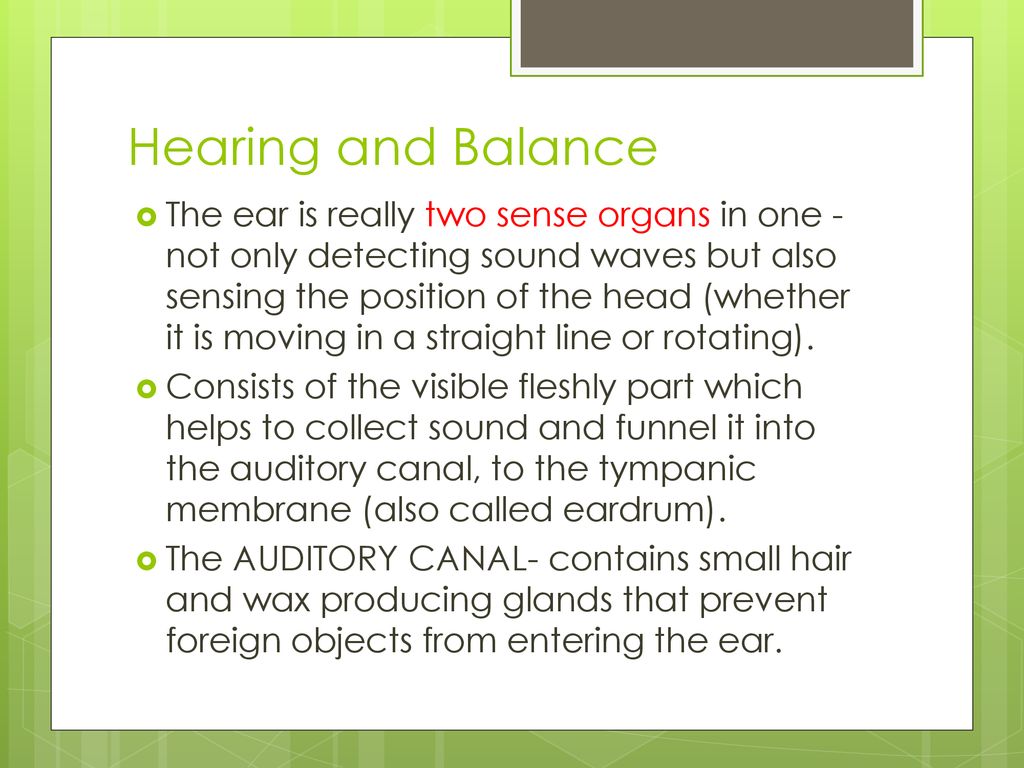
13.3: Hearing and Balance Biology Diagrams
Crash Course Anatomy & Physiology continues the journey through sensory systems with a look at how your sense of hearing works. We follow sounds as they work Keywords Ears/Hearing/Balance/ Anatomy/Physiology This article has been double-blind peer reviewed Key points Hearing and balance are the two main functions of the ear The ear is divided into three parts: the external, middle and inner ears The transmission of sound takes place in the external and middle ears The inner ear houses the cochlea (organ
